


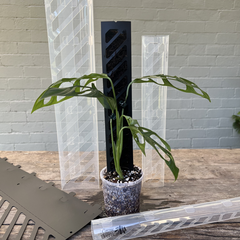


Ficus Lyrata Fiddle Leaf Fig - The Ultimate Statement Plant
If there's one plant that has defined modern interior design over the past decade, it's the Fiddle Leaf Fig. This striking tree has graced the pages of every design magazine, styled countless Instagram feeds, and transformed empty corners into lush focal points across the world. And honestly? The hype is completely justified.
Native to the tropical rainforests of western Africa, Ficus lyrata has adapted beautifully to life indoors. Those enormous, heavily veined leaves that give the plant its name (shaped like a fiddle or violin) create an architectural presence that few other houseplants can match. A well-grown Fiddle Leaf Fig isn't just a plant; it's a statement piece.
Yes, they have a reputation for being a bit particular about their care. But once you understand what they need, Fiddle Leaf Figs are actually quite rewarding. The key is consistency: find the right spot, establish a routine, and your Fiddle will reward you with impressive growth and those magnificent leaves.
The Foliage
The leaves are what make the Fiddle Leaf Fig so special. Large, leathery, and gloriously glossy, each leaf can reach 25-45cm in length. They're deeply veined with prominent markings that create almost a quilted appearance, and their shape genuinely does resemble a violin or fiddle.
New leaves emerge from the top of the plant, unfurling from a protective sheath. They start lighter in colour and gradually darken to that rich, deep green as they mature. Watching a new leaf unfurl is one of the genuine pleasures of Fiddle ownership.
Those large leaves do require a bit of maintenance. Dust accumulates on the broad surfaces and can interfere with photosynthesis, so regular wiping with a damp cloth keeps them looking their best and helps the plant thrive.
Growth Habit
In ideal conditions, a Fiddle Leaf Fig can grow impressively tall. Indoors, they commonly reach 2-3 metres, and with patience and good care, they can stretch to ceiling height. They typically grow with a single upright trunk, though some are grown with multiple stems for a bushier appearance.
Growth is most active in spring and summer. During these months, you might see several new leaves emerge in quick succession. Winter growth slows considerably, which is completely normal.
If your Fiddle becomes too tall or leggy, pruning the top encourages branching. This creates a fuller, more tree-like shape rather than a single tall stem.
Light Requirements
Here's where many Fiddle Leaf Figs struggle: light. These plants need bright, indirect light to thrive. A position near an east-facing window works brilliantly, giving them gentle morning sun. They can tolerate a few hours of direct sun (especially morning light), but harsh afternoon sun can scorch those beautiful leaves.
In low light, Fiddles will survive but won't thrive. Growth slows dramatically, new leaves may be smaller, and the plant generally looks unhappy. If your space is genuinely dim, consider a brighter plant choice.
Rotate your Fiddle a quarter turn every week or two. The leaves will naturally bend toward the light, so regular rotation ensures even, upright growth rather than a plant that leans dramatically to one side.
Watering
Overwatering is the number one killer of Fiddle Leaf Figs. These plants want their soil to dry out partially between waterings. Check the top 5-10cm of soil; when it feels dry to the touch, it's time to water thoroughly.
When you do water, water deeply until it drains from the bottom of the pot. Then don't water again until that top layer has dried out. In summer, this might mean watering weekly. In winter, it could stretch to fortnightly or even longer.
Good drainage is essential. Make sure your pot has drainage holes, and never let your Fiddle sit in a saucer of water. Root rot from soggy soil is a common cause of Fiddle demise.
Humidity and Temperature
Fiddle Leaf Figs appreciate humidity, ideally above 40%. In most Australian homes, this isn't a major issue, but air conditioning and heating can dry the air significantly. If you notice brown, crispy leaf edges, low humidity may be the culprit.
Misting the leaves, using a pebble tray, or running a humidifier nearby can all help. Some Fiddle owners love to give their plants a good shower occasionally, which cleans the leaves and boosts humidity.
Temperature-wise, keep your Fiddle comfortable. They prefer 16-27°C and are very sensitive to cold drafts, sudden temperature changes, and positioning near heating or cooling vents. Find a stable spot and let them settle in.
Potting and Soil
Use a quality, well-draining potting mix. A standard indoor plant mix with added perlite works well. The soil should hold some moisture but never become waterlogged.
Fiddle Leaf Figs don't mind being slightly root-bound, so don't rush to repot. When roots start emerging from the drainage holes or circling the top of the soil, it's time to move up one pot size. Repotting is best done in spring.
Important note: Ficus plants have extremely invasive root systems. Never plant a Fiddle Leaf Fig directly in the ground in urban gardens. Keep them in pots to contain those vigorous roots.
Feeding
Feed monthly during the growing season (spring through autumn) with Growth Technology Foliage Focus at 3-5ml per litre. This provides the balanced nutrition Fiddles need for healthy leaf production and strong growth.
Reduce feeding in autumn and stop entirely over winter when growth slows naturally. Resume in spring when you see new leaves emerging.
Common Issues
Brown spots on leaves can indicate several issues: overwatering (if spots are dark and soggy), underwatering (if edges are crispy), cold damage, or simply physical damage to the leaf. Red or rust-coloured spots on the undersides of leaves are usually edema, caused by irregular watering, and while unsightly, isn't harmful.
Leaf drop is often triggered by change: moving the plant, temperature fluctuations, drafts, or inconsistent watering. Fiddles dislike being moved, so once you find the right spot, try to leave them there.
A Note on Toxicity
Fiddle Leaf Figs contain a milky white sap that is irritating to skin and toxic if ingested. The sap contains calcium oxalate crystals that can cause oral irritation, excessive drooling, and gastrointestinal upset in pets and humans. Keep out of reach of curious cats, dogs, and children. Wear gloves when pruning or propagating to avoid skin irritation.
Perfect For
- Statement corners in living rooms
- Modern and contemporary interiors
- Bright offices and workspaces
- Beside windows with filtered light
- Instagram-worthy styling
- Those wanting a signature indoor tree
- Protected patios and covered balconies
Frequently Asked Questions
Why are the leaves on my Fiddle Leaf Fig dropping?
Leaf drop is usually triggered by environmental stress: moving the plant, temperature changes, drafts, inconsistent watering, or sudden changes in light. Fiddles prefer stability. Find the right spot and maintain consistent care to prevent leaf drop.
Why does my Fiddle Leaf Fig have brown spots on the leaves?
Brown spots can indicate overwatering (dark, soggy spots often near the base of leaves), underwatering (crispy brown edges), cold damage, or root rot. Check your watering routine and ensure the plant isn't exposed to cold drafts or sitting in water.
How often should I water my Fiddle Leaf Fig?
Allow the top 5-10cm of soil to dry between waterings. In warmer months this might be weekly; in winter it could be fortnightly or less. Always check the soil rather than watering on a schedule, as conditions vary with seasons and homes.
Can I grow a Fiddle Leaf Fig in low light?
Fiddle Leaf Figs need bright, indirect light to thrive. While they'll survive in lower light, growth will be minimal and the plant may become leggy and unhealthy. For best results, position near a bright window.
Is the Fiddle Leaf Fig safe for pets?
No. Fiddle Leaf Figs are mildly toxic to cats and dogs. The sap contains calcium oxalate crystals that cause oral irritation, drooling, and gastrointestinal upset if ingested. Keep out of reach of pets and children.
What is the difference between standard and Bambino Fiddle Leaf Fig?
Ficus lyrata 'Bambino' is a dwarf variety that stays more compact and bushy than the standard Fiddle Leaf Fig. It has the same beautiful leaves but in a more manageable size, making it ideal for smaller spaces or tabletops.
Please Keep in Mind
The Fiddle Leaf Fig is an iconic statement plant with large, violin-shaped glossy leaves. It requires bright indirect light, consistent watering (allowing soil to partially dry between waterings), and a stable environment away from drafts and temperature fluctuations. The plant is toxic to pets and humans; the milky sap causes skin irritation and gastrointestinal upset if ingested. Keep out of reach of cats, dogs, and children. Wipe leaves regularly to remove dust and maintain health.
If you are from a quarantine restricted state and would like to purchase this plant, we recommend using Paradise Distributors concierge service. Make sure to contact them prior to purchasing: info@rareplants.net.au
LET'S TALK ABOUT HOW YOUR PLANTS GET TO YOU & HOW YOU CAN PICK THEM UP!
Alright, so here's the deal with shipping - we try our best to send all our plants potted and ready to go, but sometimes due to larger orders or when we're moving through some big changes, we'll send some plants semi-bare rooted. If you haven't come across this before, it basically means we carefully remove a bunch of the soil before packing them up. I know that might sound a bit scary if you've never ordered plants online before, but trust me, this is actually a really smart way to do it! The main reason we do this is because it creates so much more room in the box, which means we can fit way more plants in one shipment for you. More plants in one box = more green goodness arriving at your door at once! The plants honestly handle the journey better without all that heavy, wet soil sloshing around too. Just make sure you've got some fresh potting mix ready to go when your green babies arrive, because they'll want to get tucked into their new home pretty quickly!
Now, let's chat about what actually fits in our boxes. We can safely fit about 4-6 plants in one box, or if you're stocking up on supplies, one box can hold 3 bags of medium plus 1L of Growth Technology. We really don't recommend adding heavy items with your plants though - it just puts extra stress on your precious plants during transit and limits how many we can fit. If your order ends up being heavier than our standard box can handle, we'll reach out to you about additional postage fees. We're always transparent about costs, no sneaky surprises!
When Does Everything Ship Out?
Here's how our timeline works - we process and ship orders the week after you place them. So if you order on a Tuesday, your plants will get packed and sent out sometime the following week. We ship Monday through Friday (because let's be real, we all need weekends to recharge!), and we're aiming to get your order out within 4-6 business days of processing. Sometimes things take a tiny bit longer because we're a small but mighty team, and we take absolute care in making sure every single plant is packed perfectly. Like, we're talking individual attention for each plant here. We don't rush this stuff!
Once your order ships, you'll get an email with your tracking number. If you haven't received that tracking email, it just means we're still working on your order - it hasn't left us yet. Please be patient with us! We promise we're working as fast as we can while still making sure everything is done right. We pack orders in chronological order to keep things fair for everyone, so no one's getting special treatment or jumping the queue. First come, first served, that's how we roll!
The Journey to Your Doorstep
All our orders ship with Australia Post, and here's something cool - they operate 24/7! That means even if your order gets sent out on a Friday afternoon, it's still making its way to you over the weekend. The postal system doesn't sleep, and honestly, that's pretty amazing for getting plants to you quickly. You can generally expect your plants to arrive within 2-7 days after we ship them, depending on where you are in Australia. Metro areas tend to be quicker, regional spots might take the full week, but either way, your tracking number will keep you in the loop the whole time.
And here's the thing that always blows people's minds - our plants are absolute troopers. We've tested this extensively, and they can genuinely survive in their boxes for up to three weeks if needed. Obviously we don't want them sitting around that long, but life happens, mail gets delayed sometimes, and we want you to know that your plants are prepped and ready to handle whatever the postal system throws at them. While we do our best to avoid delays, occasional unforeseen circumstances may slightly impact delivery times, but rest assured, your plants are packed with extra care and are tougher than you think!
Quarantine States (WA, NT, TAS)
We currently only ship directly to non-quarantine states. Unfortunately, biosecurity restrictions make it pretty complicated to send plants to Western Australia, Northern Territory, and Tasmania. But don't worry, we've got a solution for you! If you're from a quarantine restricted state and would like to purchase plants from us, we recommend using Paradise Distributors' concierge service. They're absolute legends and can handle all the biosecurity paperwork and requirements for you. Make sure to contact them prior to purchasing so they can give you all the details and help you out: info@rareplants.net.au
Come Visit & Pick Up from the Greenhouse! (Rockdale)
If you're local or just love the idea of picking up your order in person, we've got you covered! Greenhouse collection from our Rockdale location is available the same week you make your purchase. Our opening hours are always changing, so make sure to check booking availability on our 'BOOK TO VISIT' page before purchasing. After you've paid for your order, just head over and book a time slot that works for you. You'll get to pick up your plants AND have a wander through the greenhouse while you're here, which honestly is such a vibe. Just please wear a mask if you're feeling unwell - it's a small space and we want to keep everyone safe and healthy!
PLEASE BE AWARE THAT WE DO NOT SHARE THE GREENHOUSE ADDRESS PUBLICLY BECAUSE ITS OUR HOME ASWELL AS BUSINESS, AFTER YOU BOOK YOU WILL RECEIVE AN EMAIL OR TEXT WITH OUR ADDRESS, IF THE GATE IS CLOSED ON ARRIVAL DON'T WORRY WILL BE RIGHT WITH YOU :) AND PLEASE NO BIG BOUNCY DOGS AS ITS A SMALL SPACE & PLANTS GET DAMAGED WITH HAPPY TAILS :)
Catch Us at Markets!
We do regular markets around Sydney and would love to meet you in person! If you'd prefer to skip shipping altogether and grab your order at one of our market stalls, just email us at info@growinggroundsaustralia.com and we can arrange collection at an upcoming market. It's a great way to chat plants face-to-face, see what else we've got on the day, and save on postage!
Questions? We're Here for You!
If you've got any questions about shipping, tracking, or literally anything else, please don't hesitate to contact us at info@growinggroundsaustralia.com. We love chatting with you guys and we're always happy to help troubleshoot, answer questions, or just talk plants!
Much love from the GG's Team 🌱


